
Available Seedlings Now
Lemon Basil
.jpg)
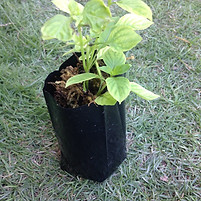
Lemon basil locally known as "sangig" is a tropical plant that should be in a spot receiving at least six hours of direct sunlight a day. Afternoon shade is ideal. It should be watered whenever the topmost part of the soil is dry. Lemon basil stems can grow to 20–40 cm (8–20 in) tall. Pinch the tip from the center shoot of the Lemon Basil seedlings after they have grown for 6 weeks to force side growth and prevent early flowering. If flower stalks develop, simply snip them off .It is perennial in warm climates. If you grow them indoors, or outdoors in a warm climate, they will continue to produce the wonderfully fragrant, lemony leaves. It can be used in both raw and cooked applications. Wash leaves and pat to dry. Put whole leaves in vinegars or oils to impart a citrusy basil flavor; chop or chiffonade for use in marinades or dressings. Add whole or chopped leaves to poultry or fish dishes, vegetables, soups, sauces, or stir-fry
For more tips on growing indoors click on the link below:
https://www.thespruce.com/growing-basil-in-containers-848215
Thai Basil


A cousin of the popular sweet basil, Thai basil has a somewhat stronger flavor with a hint of licorice and is popular in the cuisines of Southeast Asia. Freshly picked leaves can be added to salads, soups and sandwiches.
Thai basil prefers soil that is lightly moist, slightly acidic, well-drained and rich in organic matter, such as compost. It thrives in full sun but will tolerate part shade.
To get the highest yield of tender and flavorful leaves, pinch the tip of each branch when the plants are 6" tall, to encourage bushiness. Although regular watering is essential, once established, Thai basil is easy to grow. Harvest regularly to extend your harvest and to help delay your basil from running to seed.
Thai basil prefers a moist soil, so enrich with compost and manure, water regularly, and mulch to reduce water loss through evaporation. Always water the soil and not the foliage, especially in hot weather.
Peppermint
Peppermint is a hybrid mint, a cross between watermint and spearmint. It grows to be 30–90 cm (12–35 in) tall.Peppermint generally grows best in moist, shaded locations,young shoots are taken from old stocks and dibbled into the ground about 1.5 feet apart. They grow quickly and cover the ground with runners if it is permanently moist. For the home gardener, it is often grown in containers to restrict rapid spreading. It grows best with a good supply of water, without being water-logged, and planted in areas with part-sun to shade.


Cuban Oregano
Cuban oregano locally known as "kalabo" is a semi-succulent perennial herb in the mint family. Common names in English include Indian borage, country borage, French thyme, Indian mint, Mexican mint, soup mint, Spanish thyme. Choose a site with well-draining, gritty soil in partial sun for this little plant. Because it is a succulent , it is easily propagated from stems and leaves. Work a little water into potting soil or garden soil until it is moist but not wet. Pinch off a healthy stem or leaf of a well established oregano. Stick the pinch end of it into the prepared soil.
For more tips in growing click the link below:
https://worldofsucculents.com/grow-care-cuban-oregano-plectranthus-amboinicus/


Lemongrass
Lemongrass is a e perennial herb of the grass family.It is used in many Asian cuisines. Both leaves and stalks are used to flavor dishes such as soups and curries. A tea made from leaves or stalks is also reported to help with gastrointestinal problems ,stress, and bladder issues. You can grow this herb from seed, cuttings or by division. It grows in a clumping habit, with multiple stalks emerging from the same base. It can grow up to five feet tall with a spread up to four feet wide. Lemongrass likes it hot, so grow it in an area with full sun and fertile, well-drained soil. For more growing tips click the link below:
https://bonnieplants.com/how-to-grow/growing-lemongrass/


Holy Basil
Holy basil is commonly known as Indian "tulsi" It has a history within Indian medicine as a treatment for many conditions, from eye diseases to ringworms. From the leaves to the seed, holy basil is considered a tonic for the body, mind, and spirit . Different parts of the plant are recommended for treating different conditions. To grow, use a light, well-draining soil that is enriched with organic material, although holy basil will tolerate poor soil fairly well. Your plant will also tolerate some shade, so full sun is not necessary. Keep it watered but not soggy and harvest leaves as needed, just as you would with an ordinary sweet basil plant


Spearmint
The best way to grow any type of mint is to plant it in a pot and then sink the pot into the soil in the raised bed, leaving the top 2" of pot exposed. This confines the roots and prevents them from spreading into the surrounding soil. Spearmint performs its best in full sun, as long as the soil is kept moist, but it also thrives in partial shade


Eucalyptus Mint
Eucalyptus Mint -known for its strong minty flavor and aroma -widely used as garnishes on drinks, desserts, and salads -can be used to make herbal tea and infusions -used as an herbal remedy to nose congestion, freshen breath, and relieve stomach irritation