
Available Seedlings Now
.jpg)

Madagascar Periwinkle
Periwinkle is a perennial ground cover that produces blooms in a variety of colors. Periwinkles are very drought tolerant and are sensitive to being watered too often. Keeping the soil too moist makes their roots sick, and that leads to yellow plants, dropping leaves and even death. Apply infrequent supplemental water in only the hottest and driest periods.
Periwinkle self-seeds, but the most common method of propagation is through cuttings. In the warmer climates, it grows rapidly to a height of up to 2 feet and a similar spread. Seeds germinate at 70 to 75 F. (21-23 C) in around one week.
Pinch off new stems to promote a bushier plant.
You can prune back the woody stems after the season has ended to improve the appearance and promote flowering.
For more info click the link below:
Yellow Cosmos
Cosmos are prized for their abundant, silky, daisy like flowers and their unflappable, easy-care nature in the garden. , cosmos are simple and inexpensive to grow from seeds. Plant them in full sun (in very hot regions, cosmos can take afternoon shade) and give them protection from strong winds. Cosmos tolerates a wide range of soil types, including poor soil. Plants need even moisture to get started, but mature cosmos are drought tolerant; plants produce more and larger flowers, however, if they are watered regularly.
To propagate just sow seeds lightly—about ¼-inch deep and 12–18 inches apart .They don't need any special soil preparation. Cosmos flowers can tolerate warm, dry weather. depending on the type of flower, cosmos can grow anywhere between 18 to 60 inches tall.
It is recommended that you only soak most seeds for 12 to 24 hours and no more than 48 hours.
For more info click the link below:
.jpg)

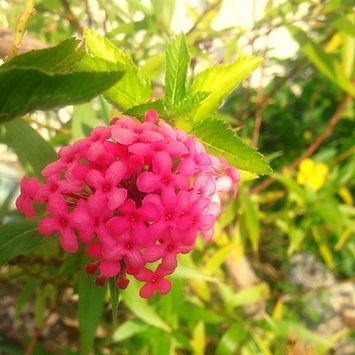

Panama Rose
Panama rose can be propagated from softwood cuttings and from semi-hardwood cuttings of the stems and roots. Simply take your cuttings and place them about a half inch under the soil’s surface and keep out of direct sunlight for the first two weeks, watering deeply as soon as the cutting is planted, and again as the soil begins to dry out completely.Panama rose is also cultivated to bring butterflies, moths, bees, hummingbirds, and other regional pollinators flocking to its blooming clusters.Water your in-ground Panama rose plants deeply only once per week in the dry season and not at all during wet season.


Mexican Heather
Mexican heather is a flowering ground cover that produces masses of bright green leaves. Small pink, white or lavender flowers decorate the plant throughout most of the year.on planting allow at least 18 inches (46 cm.) between each plant. This tough, drought-tolerant plant loves direct sunlight and thrives in intense heat.
Water Mexican heather plants deeply about once every week, then allow the soil to dry slightly before watering again. Container plants will need water more often, especially during the summer months.
Healthy Mexican heather plants are seldom bothered by insects. However, if you notice spider mites during hot, dry weather, treat the pests with insecticidal soap spray on a day when the sun isn’t directly on the plant. Insecticidal soap spray with a few drops of rubbing alcohol will also take care of flea beetles.
For more info click the link below:
Blue Ternate
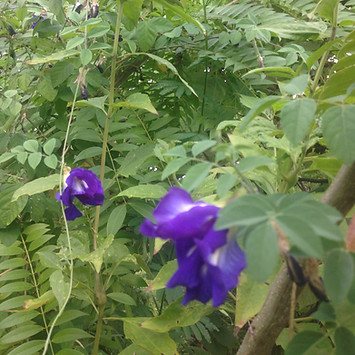
A traditional Chinese and Ayurvedic medicine, Clitoria Ternatea has been consumed for centuries as a memory enhancer, brain booster, anti-stress and calmative agent.nown for its luminous indigo colour, Butterfly Pea has traditionally been used as a vegetable in cooking, to colour deserts or to make a strikingly vibrant coloured tea.
Butterfly Pea is jam-packed full of health promoting antioxidants, flavonoids and peptides and has shown considerable promise in animal studies as a natural remedy for a range of health complaints.
Many beauty products have also been derived from Butterfly Pea because of the effects of the flavanoid, quercetin has on skin and hair.


Forget-me-not
The perennial forget-me-not flower spreads easily, freely self-seeding for more of the wildflower to grow and bloom in shady spots where the tiny seeds may fall. Forget-me-not flower care is minimal, as with most native wildflowers. Forget-me-not plants grow best in a damp, shady area, but can adapt to full sun.
Red Hibiscus


Hibiscus are sun lovers, so plant in full sun and protect from strong winds. Hibiscuses grow best in well-drained, slightly acidic. One of the real tricks for healthy hibiscus is to mulch generously and water regularly. They are thirsty plants, and respond well to a constant supply of moisture in the soil. Give them a deep watering once a week, and conserve the moisture by covering their roots with a thick layer of Searles Premium Garden Mulch.
Yellow Ground Orchid
Keep it in low-light or somewhat shady areas. If you have it in a pot indoors, put it in a window behind a curtain. If orchids get too much light, their leaves shade red. With too little light they turn dark green. You want bright green leaves on your orchids.
Deadhead your ground orchids by cutting the stems with flowers that have finished blooming and now wilt. This helps the plant continue to bloom. Check for dead or dying flowers every few days. If your plant stops blooming, cut the stem at a node or knob below the flower with gardening shears. If it is a really young plant, cut it near the ground, but it might take up to a year before it blooms again.
